



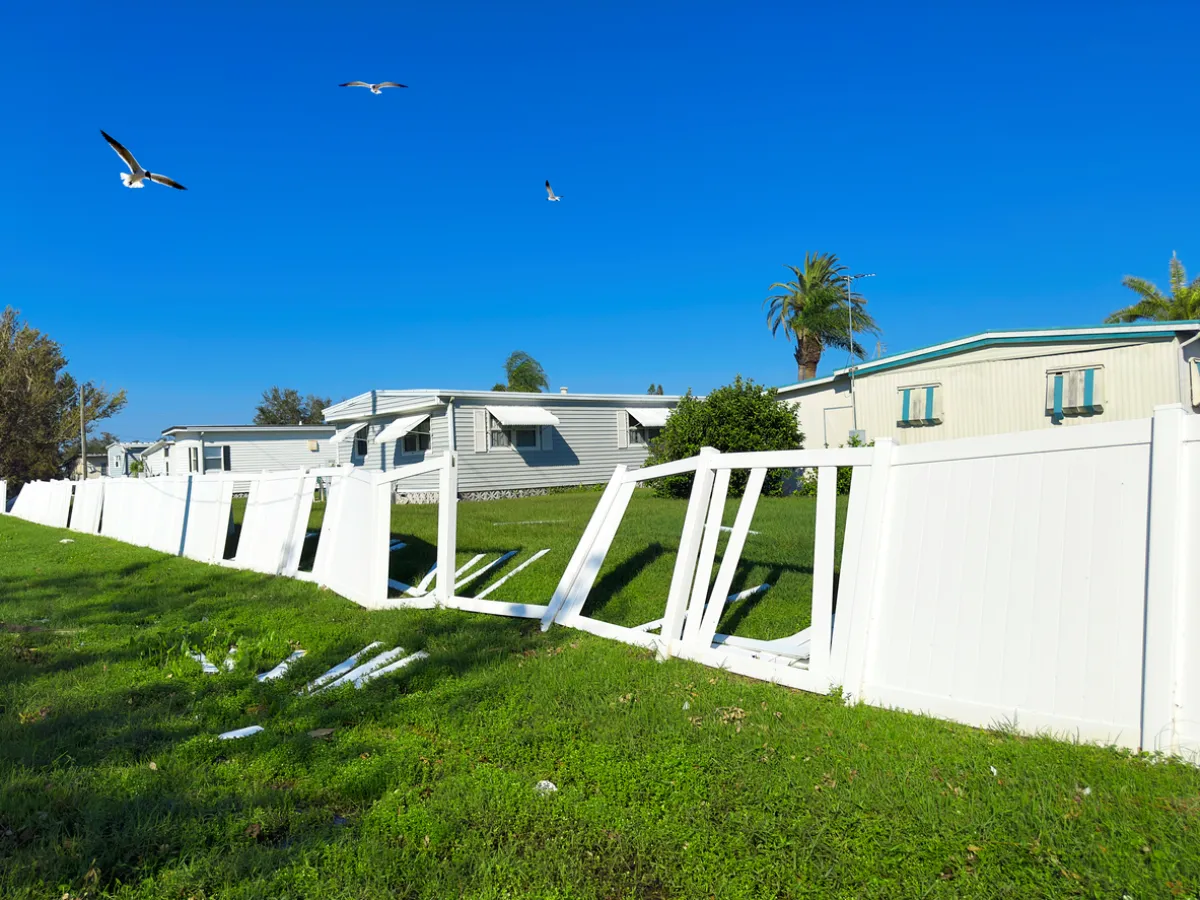
A busted fence, a fallen tree, or a flooded yard can sour a neighborhood dynamic fast. Beyond the physical mess, property damage often spikes stress levels and drains the time you simply don’t have. Whether you are dealing with a sagging boundary wall, root damage to your plumbing, or a neighbor’s construction project cracking your driveway, you deserve a resolution that is both fair and efficient.
At Estavillo Law Group, our firm brings over 100 years of combined experience in real estate and foreclosure law. We offer the “big firm” firepower necessary to handle complex neighbor disputes without the heavy overhead. This guide explores the detailed steps property owners should take to follow the legal process under California law to recover their losses.
Immediate Actions and Hazard Mitigation
When damage occurs, your priority is safety and preservation. If you smell gas, see downed power lines, or notice structural instability, step away and contact local authorities immediately. Once the scene is secure, your focus should shift to documentation and mitigation.
Under the California Civil Code, property owners have a duty to mitigate their damages. This means you must take reasonable steps to ensure the situation doesn’t get worse. If a neighbor’s tree falls and creates a hole in your roof, failing to tarp it could lead to interior water damage that an insurance company might refuse to cover.
- Document Everything: Before you move a single branch or board, take high-resolution photos and videos. Capture the property damage from multiple angles, including close-ups of the point of impact and wide shots that show the relationship to the property line.
- Secure the Site: Hire licensed contractors to perform emergency stabilization. Keep every receipt for plywood, tarps, or professional clean-up services. These out-of-pocket repair costs are central to any legitimate claim.
- Police Reports: If the damage was intentional—such as vandalism or a neighbor’s reckless behavior—report it to law enforcement. A police report is a powerful piece of evidence in both insurance claims and civil court.
Liability: The Foundation of Property Damage Claims
In California law, responsibility for damage usually hinges on negligence claims. Negligence occurs when a neighbor fails to exercise reasonable care in maintaining their land, resulting in harm to your property.
The Complexity of Tree Disputes
Tree disputes are among the most common sources of friction between neighbors. When a tree falls, determining who is held liable depends on the health of the tree prior to the incident. If a severe storm knocks down a perfectly healthy tree, it is often viewed as an “Act of God,” and each owner typically relies on their own homeowners’ insurance.
However, if the tree owner was aware that the tree trunk was rotting or that the neighbor’s tree was leaning precariously and did nothing, they are likely responsible for the resulting tree damage. California Civil Code Section 3346 provides specific protections and potential punitive damages for “wrongful injuries to timber,” which can include cases where a neighbor trims your tree so aggressively that it dies.
Water Runoff and Drainage Issues
Water is a destructive force, and California courts follow the “Rule of Reasonable Use” regarding surface water. While a neighbor isn’t usually liable for natural runoff, they can be held liable if they alter their land—through paving, landscaping, or installing new drainage—in a way that unreasonably diverts water onto your neighbor’s yard or your own. If you notice pooling water or soil erosion following a neighbor’s renovation, you may have grounds for a private nuisance claim.
Gathering Evidence to Support Your Claim
To successfully pursue compensation, you need more than just a complaint; you need a comprehensive evidentiary file. Organizing these details early prevents the “he-said, she-said” arguments that often drag out neighbor disputes.
- Professional Assessments: Don’t guess the cost of repairs. Obtain multiple repair estimates from licensed contractors. If the damage involves landscaping, an arborist’s report can determine if overhanging branches or tree roots were the primary cause of the issue.
- Boundary Proof: If the damage involves a shared fence or a structure near the edge of the lot, you must establish the exact boundary line. A professional survey is often the only way to prove a violation of the property line.
- Communication Logs: Keep a record of all interactions. If you warned the neighbor about a dangerous branch months ago, find that email or text. Notice is a key component in proving negligence.
- Property Value Impact: In some cases, the cost to fix the damage doesn’t tell the whole story. You may also be entitled to damages for the diminished property value if the repair cannot fully restore the home to its previous state.
The Role of Insurance and the Claims Process
Your homeowners’ insurance policy is often your first line of defense. When you file a claim, your insurance company will assign an adjuster to evaluate the loss.
- Subrogation: If your insurer determines the neighbor was at fault, they may pay for your repairs and then pursue the neighbor (or the neighbor’s insurance company) for reimbursement. This spares you from having to pursue legal action personally.
- Neighbor’s Policy: If the neighbor is clearly at fault, you can file a claim directly against their liability coverage. Be prepared if the neighbor refuses to provide their insurance information, in which case, a demand letter from an attorney is usually required.
- Insurance Bad Faith: If your own insurer unreasonably denies a legitimate claim or fails to investigate properly, you may have a separate claim for insurance bad faith.
Legal Remedies: From Mediation to Small Claims Court
If informal talks fail, California law provides several avenues for relief.
The Demand Letter
A formal demand letter is often the most cost-effective way to resolve disputes. It outlines the facts, the specific civil code sections that have been violated, and sets a reasonable deadline for the neighbor to respond or pay. This letter signals that you are prepared to pursue legal action if they do not cooperate.
Small Claims Court
For property damage claims where the value is $10,000 or less (for individuals), small claims court is a streamlined option. It is faster than a full civil trial and does not require a lawyer, though consulting one to prepare your evidence is highly recommended.
Private Nuisance and Injunctions
If the damage is ongoing—such as excessive noise, spite fences, or continuous water diversion—you can sue for a legal nuisance. Under the California Civil Code, a private nuisance is anything that interferes with your comfortable enjoyment of your land. In these cases, you might seek an injunction, which is a court order forcing the neighbor to stop the harmful activity.
Boundary Fences and California Civil Code
The California Code has specific rules regarding boundary fences. Under the “Good Neighbor Fence Act of 2013” (Civil Code Section 841), property owners are presumed to have shared responsibility for the costs of maintaining, replacing, or repairing a fence that sits on the boundary line.
If you intend to replace a shared fence, you must give your neighbor 30 days’ written notice. If the neighbor refuses to contribute their fair share without a valid reason, they can be held liable in court. This law aims to prevent neighbor disputes from escalating over basic maintenance.
Preventing Future Conflicts
While you cannot control your neighbor’s actions, you can protect your property ownership through proactive maintenance and clear boundaries.
- Routine Maintenance: Properly maintain your own lot by cleaning gutters, trimming overhanging branches, and monitoring the health of your trees.
- Understand Local Ordinances: Many cities have specific local ordinances regarding how high a fence can be or where a shed can be placed. Knowing these rules can help you spot a violation before it leads to property damage.
- Tree Care: If you have a large tree trunk near the property line, have an arborist inspect it every few years. This demonstrates that you are taking reasonable care to prevent fallen trees.
Contact Estavillo Law Group for Guidance
Dealing with property damage claims can be a legal minefield. Between the statute of limitations (which is typically three years for property damage in California) and the nuances of civil procedure section requirements, professional guidance is invaluable.
Whether you are dealing with a neighbor’s tree that crashed through your garage, root damage destroying your septic system, or a neighbor who refuses to fix a private nuisance, we are ready to jump in. Call us at 510-982-3001 or visit our website to learn more about our services. Our firm blends 50 years of combined real estate experience with pricing that respects your budget.


