



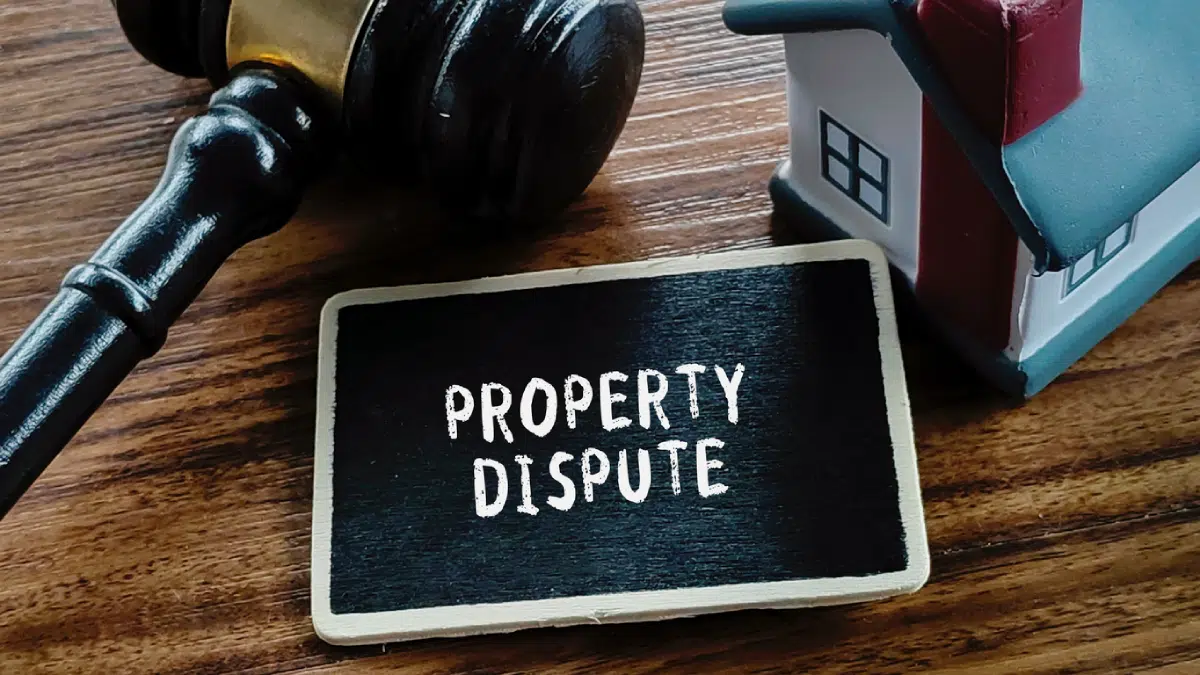
Real estate transactions are complicated. Worse yet, when they go wrong, they can be difficult to resolve. As a result, real estate agreement issues can collapse into costly legal disputes. However, you can avoid real estate disputes with foresight and strategic approaches to contract drafting.
A contract attorney can help you take proactive steps to avoid disputes and fight for your rights if real estate litigation arises.
Understanding Common Causes of Real Estate Contract Disputes
Avoiding real estate contract disputes is easier when you understand how they arise. There are several common causes of real estate disputes.
Clouded Title
Real estate transactions can collapse through no fault of the buyer or seller. For example, the title to the land may have a cloud over it, such as an unrecorded transfer that created a gap in the chain of title. A clouded title can also occur when a third party claims a right in the property or a creditor has placed a lien on it.
Non-Performance
One of the major legal risks in real estate contracts is non-performance. This happens when a party fails to do something they promised. For example, a seller might promise to unlock a building for an inspection but fails to do so. Non-performance usually amounts to a breach of a real estate contract.
Missed Deadline
Many disputes arise when a party misses the strict deadlines in a real estate contract. A common deadline applies to the payment of earnest money or a deposit. A party may deliberately miss a deadline to try to get out of a property transaction.
A party could also miss a deadline unintentionally due to weather, technological problems, or other faults outside of the party’s control.
Misinterpretation of Contractual Obligations
The parties involved in a property transaction might interpret contract terms differently. Often, these conflicts arise with neither party at fault. For example, an agreement might include ambiguous terms subject to multiple interpretations.
Failure to Disclose
Sellers in California are required to disclose key details about the property. These disclosure requirements are designed to give the buyer enough information to compare the property’s value to its purchase price. Any type of misrepresentation in property sales can deprive the buyer of a full understanding of what they are buying.
Failed Property Inspection
Generally, buyers will include a requirement that the premises pass property inspections. In some cases, the property clearly fails an inspection. However, in some cases, the inspector identifies an issue that merely affects the property’s value or limits its uses.
Property contract disputes can arise when the seller takes the position that the property passed, while the buyer argues that the property failed.
Drafting Clear and Comprehensive Contract Terms to Reduce the Risk of Legal Disputes
Avoiding real estate contract disputes can often be accomplished by writing clear contract terms. Specifically, clean, understandable, and comprehensive drafting is often an effective form of real estate legal disputes prevention.
Contract terms are interpreted according to the plain meaning of the words. Specifically, a contract’s interpretation is determined using the ordinary and usual definitions and uses of the terms. However, at the same time, courts interpret contracts consistently with what the parties understood, if possible.
All of this means that the parties involved in a property transaction could interpret the same language differently, even though they negotiated and discussed the wording.
The parties can overcome this problem by using plain language without confusing or technical terms, when possible. Clear communication between the parties about the wording and its intent can ensure they agree on the contract’s requirements.
Conducting Thorough Due Diligence Before Signing
Due diligence is the technical name for the investigation performed before committing to a transaction. This process can be critical to avoiding real estate contract disputes. At a minimum, the buyer should personally view the property and visually inspect any structures.
However, most buyers do not have the training or experience to verify that the structures are sound and functional. As a result, they will often hire a licensed inspector to examine and test the buildings and their essential systems, including the following:
- Electrical system
- Plumbing
- Heating, ventilation, and air conditioning
The inspector will also inspect each building’s structural integrity. The inspector might examine the foundation and look for any water leaks. They will also look at the condition of the roof, windows, and doors.
The inspection report will provide clarity about the objective condition of the building. In other words, even though the buyer usually pays the fee, the inspector is supposed to use engineering principles to produce an unbiased report.
Due diligence also covers a title search in addition to a building inspection. A title search traces all transactions involving the property as far back as possible. The title search can reveal problems, like gaps in the title history, that may give rise to a third-party claim to partial or even full ownership of the property.
The title search can also reveal liens, judgments, and other claims against the premises.
Using Contingencies and Deadlines to Reduce Risk
Contingencies and deadlines are powerful tools for reducing real estate contract risks. Specifically, writing contingencies and deadliness into the offer can help in avoiding real estate contract disputes.
Contingencies provide you with the option to cancel the contract, usually without penalty, if the property owner fails to satisfy a specific request.
For example, you might include a contingency that a seller replace a broken furnace. If the seller accepts the offer, the only way to create a binding agreement with the buyer is to perform the requested repair.
Contingencies are helpful for avoiding property agreement disputes because a failure to perform a contingency simply causes the sales agreement to fall apart. Specifically, neither party will need to file a lawsuit to terminate the agreement. Instead, it collapses because a condition for creating the binding agreement was unfulfilled.
The buyer usually receives a refund of any deposit or earnest money, and the seller is free to relist the property.
Deadlines are another useful form of real estate contract dispute prevention. The benefit of deadlines is that the parties know whether they were met. If the contracted promise was performed before the deadline, the contract was satisfied. However, if the deadline passed without performance, the contract failed.
Again, a pre-sale deadline can simply cause the agreement to collapse, and the parties can walk away without filing a lawsuit.
Preventing Miscommunication and Documentation Errors
The best real estate lawyers know how to prevent real estate litigation. One of the most common disputes arises due to miscommunication. The parties should try to be as clear and specific as possible to ensure they understand the contract’s terms.
More importantly, the parties should avoid any lies or mischaracterizations when communicating with the other party. The parties must also comply with all disclosure requirements. These communications can ensure the parties understand the true value of the property so they can settle on a sale price.
The parties should also document all of their interactions and, more specifically, any terms they asked for and agreed to, before or during the contract negotiations.
A term might be important to you but not to the other party. In these cases, you should preserve copies of any discussions that might give rise to a binding contract. You can use your notes to ensure your attorney includes these terms in the final agreement.
Common Pitfalls and Proactive Strategies to Avoid Future Disputes Before Closing
Anticipating possible problems and preparing contract language to deal with those that may arise will be critical for preventing real estate contract conflicts. There are several common pitfalls to avoid.
Waiting to Assert Your Rights
When you acquiesce in another party’s breach of contract, they can argue that you excused any acts that might have breached the deal and that you were satisfied with the status quo. Thus, when you delay in asserting your rights, you potentially lose your right to any remedies for them.
You can proactively avoid this problem by raising every issue. Discuss every possible breach of contract with your lawyer and seek their legal guidance in formulating a strategy for bringing it to the other party’s attention.
Staying Silent About Confusing Terms
If you have difficulty understanding the contract terms, say something. Proactive steps you can take to avoid this issue include reviewing the terms carefully and talking to your lawyer about any confusion you have.
Your lawyer can explain if the terms are standard in the industry. If the terms are non-standard and may be misinterpreted, you can formulate simpler, clearer language to replace the ambiguous terms.
Negotiating in Bad Faith
You are expected to negotiate in good faith. This means you should sincerely try to make a deal rather than simply negotiating to tie up the other party from seeking or making alternate offers. It also means you should deal honestly and fairly with the other party.
You should avoid deliberately vague terms or loopholes to try to trap them in a legal dispute.
Contact an Experienced Real Estate Attorney at Estavillo Law Group About Your Real Estate Transaction
Real estate deals require an enormous investment in time, effort, and money. Additionally, after completion, they are difficult to unwind if a problem arises. Acting proactively and employing other best practices for real estate agreements can help you avoid these problems and get a fair deal that you can live with.
Our attorneys have over 40 years of combined legal experience in real estate law. We assist sellers, buyers, and third parties in real estate contracts. Contact us for a consultation with experienced professionals to discuss your deal and any legal claims you may have.


