



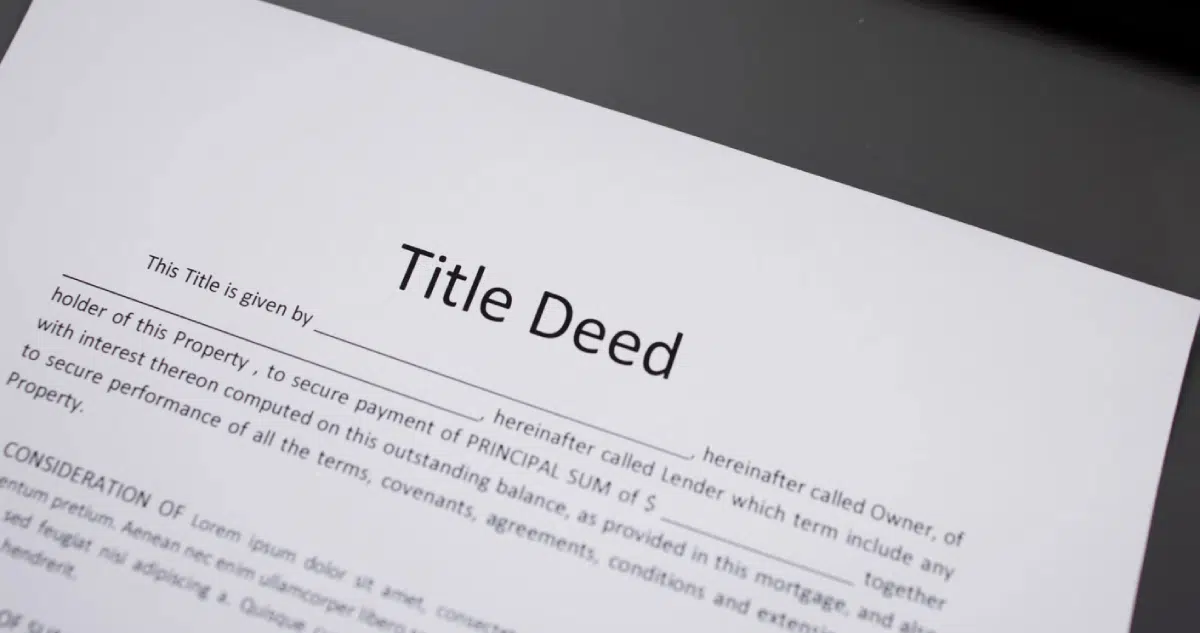
Real estate transactions can look smooth on the surface, but a title problem shows up late and stalls everything. If that sounds stressful, you are not alone.
At Estavillo Law Group, we bring over 100 years of combined experience in Real Estate and Foreclosure law, and we have seen how title issues can tangle a sale or block a refinance.
Our goal is to explain what title defects are, how they affect you, and practical ways to fix them. This article is for educational purposes only and is not legal advice.
Challenges of a Defective Title
A title defect is any problem that casts doubt on ownership or blocks a clean transfer of the property. It can be a paperwork error, an unpaid debt tied to the land, or a dispute about where the property lines sit. If left alone, the defect can trail into future sales and keep causing trouble.
These issues can lead to delays, unexpected costs, or court battles. Buyers and lenders want a marketable title, and the presence of title defects often means a hold on closing until the problem is cleared. Getting ahead of it saves time and money.
Below are the most common title issues we see in residential and commercial deals.
Common Title Defects
- Tax Liens: Outstanding property taxes that remain unpaid and attach to the land.
- Zoning Issues: Violations of local rules or the need for a variance that never got granted.
- Building Encroachments: A fence, driveway, or structure over the neighboring private property.
- Undischarged Mortgages: A loan was paid, but no release was properly recorded.
- Probate Issues: A deceased owner’s interest never properly moved through the court process.
- Missing or Inaccurate Legal Descriptions: Errors in the lot description that create confusion or overlap.
- Forgery or Fraudulent Transfers: A deed or loan signed by someone pretending to be the property owner.
- Unresolved Estate Issues: Heirs or beneficiaries not addressed, leaving gaps in the chain of title.
- Unreleased Liens or Mortgages: A paid lien that was not formally released, leaving a cloud on the title.
- Easements: Either recorded but not disclosed or unrecorded easements.
Some of these are simple filing fixes, while others need hearings or negotiations. The best path depends on the records, the people involved, and how fast you want to close.
Common Triggers and Hidden Risks
A strong title search looks through deeds, liens, court files, and maps to spot problems early. Even with good records, hidden risks can sit off the books or hide in old paperwork. That is why buyers, sellers, and lenders lean on both a title search and title insurance.
Here are common triggers that tend to catch people off guard:
- Undisclosed easements that limit building or access, such as utility rights across the yard.
- Old forgeries or fake notary stamps surface when a lender reviews the file.
- Boundary disputes, often caused by fences or sheds set without a proper survey.
- Variations in name spellings in past deeds make it appear that different property owners are involved.
- Unrecorded construction debts that can turn into mechanics’ liens after closing.
- Divorce or probate orders that were never recorded leave gaps in the chain.
Any one of these can slow a transaction or spark a dispute between neighbors or past property owners. A careful review of surveys, maps, and restrictions helps you spot problems before money changes hands.
This is where a real estate attorney can help by handling communication with title insurance companies and working toward a clear resolution.
Real estate agents play an important role in transactions, but legal title disputes often require separate legal analysis to avoid future complications. To avoid legal action when buying or selling real estate, always consider contacting an attorney.
The Role of Real Estate Attorney and Title Companies
Experienced real estate attorneys and solid title companies add real value by finding issues and building a plan to clear them. Title companies pull deeds, liens, judgments, tax liens data, and maps to create a report that shows what must be fixed before closing. They are expected to run a full title search and raise red flags in time to address them.
When a conflict arises, a capable title company can help with on-the-ground work and coordination. That can include ordering a new survey, consulting with surveyors and attorneys, and helping the parties reach a fix that works for everyone. You get a cleaner closing and fewer surprises.
Typical steps a title company takes look like this:
- Collect and review public records tied to the property ownership and the owners.
- Identify title defects, then request curative documents or releases.
- Coordinate with lenders, surveyors, and attorneys to clear conditions before closing.
If the title issues are bigger than paperwork, your attorney can step in to draft agreements or file a case that resolves ownership for good.
Addressing Ownership Disputes and Chain of Title Problems
Mistakes in public records, such as typos, missing pages, or misindexed deeds, can scramble who owns what. Missing heirs or unresolved probate can disrupt the transfer of ownership and may require court intervention. These problems often block sales until the record is cleaned up.
One tool for serious conflicts is a quiet title action. This is a lawsuit that asks a court to decide between competing claims to the same private property and issue an order clarifying ownership.
Courts use it often to sort out claims from heirs who appear later, to settle disputes from competing surveys, or in any case where several people claim the same land.
Quiet title cases may require notice to all interested parties, publication when someone cannot be located, and court hearings to resolve the dispute. The end goal is a court order that future buyers and lenders can trust.
Correcting Defective Titles: Legal and Procedural Approaches
There is more than one way to fix a title defect. The right path depends on the records, the type of defect, and the people involved.
| Approach | What It Means | Best Use Case | Who Leads | Typical Time |
|---|---|---|---|---|
| Title Claim | Submit a claim to your title insurance carrier and let them handle the covered issue. | Hidden risks covered by the policy, such as forgery or a missed lien. | Title insurer with your attorney’s input | Weeks to months |
| Corrective Instrument | Record a corrected deed, mortgage release, or affidavit to fix errors. | Typos, wrong legal descriptions, or missing releases. | Seller, prior lender, or current owner, guided by counsel | Days to weeks |
| Breach of Warranty | Seek damages from the seller if they conveyed a bad title under a warranty deed. | The seller promised marketable title, but the property’s title defects resulted in losses. | Buyer’s attorney | Months |
| Quiet Title Action | Ask a court to settle competing ownership claims and clear the record. | Heirs appear, survey conflicts, or overlapping deeds. | New owner (attorney) | Several months or longer |
If title insurance is in place, start by checking coverage and filing a claim. Title insurance protects you in case of title defects. Title policies can fund defense costs and pay to resolve covered title defects, which takes weight off your shoulders.
Here is a simple snapshot of a quiet title process:
- Gather deeds, surveys, and any proof that supports your claim.
- File the complaint, then notify all other parties with a possible interest.
- Attend hearings, present evidence, and request a final judgment that clarifies the title.
For paper mistakes, corrective instruments are often enough. If a seller passed a title that was flawed while trying to sell property, a warranty claim can help you recover the money you spent fixing the issue.
Proactive Strategies to Minimize Title Risks
A thorough title search before closing is your first line of defense. Ask for copies of the title report, exceptions, and any recorded restrictions, and read them with your attorney. If you spot unpaid liens or permit trouble, fix them before money moves.
Title insurance is a smart backstop that covers many surprises that a search might miss. It can protect both owners and lenders from losses arising from hidden liens, forgery, or record-keeping errors. Policies are often a one-time premium at closing, and they can save a deal when an old problem pops up later.
Take time to review the property’s history, including a survey that marks property boundaries and encroachments. Look into HOA rules, easements, permits, and any recorded covenants that might limit use. Clearing what you can now gives you a smoother close and a cleaner resale later.
Let Estavillo Law Group Assist You
We focus on fixing title problems with steady communication and a plan that aligns with your goals and budget. Our team cares about outcomes that help you close with confidence, and we work to keep costs in check while doing so.
If you have questions about a title report or any other legal document, a lien that will not go away, or a dispute over ownership, reach out.
Feel free to call us at (510) 982-3001 or visit our website to schedule. We welcome your questions about real estate law matters, from reviewing a title report to filing a quiet title case. A short call can bring clarity and help you move forward with less stress.


